Written by : Alen Vi | Creditcardviews.com
Last week, I was looking at the math for a $30,000 semester bill. It’s a moment most international students know well: you’re staring at your laptop, finger hovering over the “Pay” button, thinking about the mountain of airline miles you could earn. It feels like a win. But after a decade in the credit card industry, I’ve learned that in the world of cross-border finance, there is no such thing as a “free” flight.
In 2026, the economy is a bit of a roller coaster, and exchange rates are jumping all over the place. Using a credit card for tuition has become a double-edged sword. It’s convenient, sure, but it also opens you up to a web of fees that can quietly eat away thousands of dollars from your education fund.
From my experience, if you don’t understand the difference between a domestic fee and an international surcharge, you’re essentially paying an “ignorance tax” on your degree.
The 2026 Reality: Why “Low Tuition” Doesn’t Always Mean “Low Cost”
I often see students flocking to public state universities to save money. But here’s the catch I’ve noticed: a cheaper school doesn’t always mean cheaper payment fees.
By now, most U.S. universities have stopped covering the cost of credit card processing. They’ve handed the keys over to third-party “portals” like TouchNet PayPath, Flywire, or Convera.
The Fee Gap I Found:
- Domestic Cards: Usually hit with a 2.95% to 3.00% fee.
- International Cards: This is where it hurts. I’m seeing fees climb to 4.25%.
Let’s do the math: On a $15,000 bill, an international student loses $637.50 the second they click pay. In my book, that’s a semester’s worth of health insurance or a few months of groceries gone in an instant.
How the “Middleman Economy” Works
When you pay tuition, you’re rarely dealing with the school directly anymore. You’re redirected to a portal. While these are great for the university’s accounting, they aren’t always looking out for your wallet.
I’ve spent time digging through the fine print of these services, and here is what I’ve gathered:
- Flywire & Convera: They often boast “no fee” credit card options. Don’t let that fool you. They usually hide a 2.5% to 4% margin inside a padded exchange rate.
- My Advice: These portals make life easy for the school registrar, not you. A traditional bank transfer is almost always cheaper.
4 Rules I Think Every Student Must Know (The Legal Stuff)
I’ve been tracking the latest 2026 mandates, and if you’re paying from abroad, these four things are non-negotiable:
- The IRS Doesn’t Care About Your Fees
According to IRS Publication 970, you can only claim “qualified” expenses for tax credits. In my experience, those 4.25% convenience fees? They don’t count. You can’t write them off.
- The New “Weekly Credit Update” Rule
Starting April 2026, the CFPB mandated that banks update credit bureaus weekly instead of monthly.
My Warning: If you max out your card to pay tuition, your credit score will tank within 7 days. If you’re planning to rent an apartment or buy a car soon, pay that balance off immediately to avoid a “utilization spike.”
- Your Receipt Matters for Your Visa
A “Confirmation Number” on your banking app isn’t enough. In 2026, if the Department of Homeland Security questions your status, they want the Official Receipt from the school or the portal. Always download the PDF.
- Beware the “Tuition Discount” Scams
I see this on forums all the time: someone offering a “10% discount” if you let them pay your tuition with their card while you pay them in cash or crypto. It is a scam. They use stolen cards, the school eventually reverses the payment, and you could face deportation for non-payment.
My Top Card Picks for 2026 (If You Must Use One)
If you have the cash sitting in a U.S. bank account and just want the rewards, these are the cards I currently recommend for students. They all have $0 Annual Fees and No Foreign Transaction Fees.
| Card Name | Best For | My Rating |
| Capital One Savor Student | Dining & Groceries | 9/10 |
| Capital One Quicksilver Student | Simple 1.5% Cash Back | 8.8/10 |
| Discover it® Student | First-year Cashback Match | 9/10 |
| Deserve EDU Mastercard | No SSN Required | 8.5/10 |
A Pro Tip from my experience: Most student cards start with limits between $300 and $1,000. You won’t be able to pay a $20k bill with that. You’ll need to call the issuer for a limit increase or split the payment into smaller chunks if your school allows it.
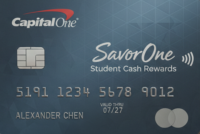
1️⃣ Capital One Savor Student Cash Rewards

- Fees: $0 annual fee • No foreign transaction fees
- Eligibility: International students with SSN or ITIN (most issuers require an SSN/ITIN)
- Why Suitable for Tuition:
- No fees on purchases, widely accepted on Visa/Mastercard networks
- Rewards on everyday categories help offset overall costs
- Pros: Great cash back on dining, entertainment, groceries — helpful if you use it regular
- Cons: Must request higher credit limit for large tuition payments
- Rating: ⭐️ 9/10
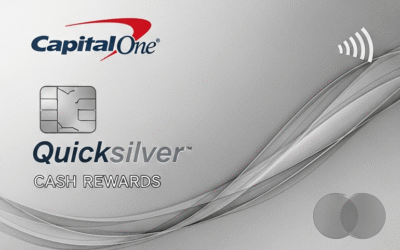
2️⃣ Capital One Quicksilver Student Cash Rewards
Fees: $0 annual fee • No foreign transaction fees
- Eligibility: International students with SSN or ITIN
- Why Suitable for Tuition:
- Simple 1.5% cash back on all purchases — helpful to earn on large tuition charges
- No complicated bonus categories
- Pros: Easy rewards structure; widely accepted
- Cons: May need a credit limit increase for big payments
- Rating: ⭐️ 8.8/10

3️⃣ Discover it® Student Cash Back
- Fees: $0 annual fee • No foreign transaction fees
- Eligibility: Applies with ITIN, helps establish U.S. credit history
- Why Suitable for Tuition:
- No fees makes it cheaper than many alternatives
- Strong rewards with Cashback Match in first year (doubles your earnings)
- Pros: Cashback match can boost value on a large tuition payment
- Cons: Rotating categories require activation
- Rating: ⭐️ 9/10
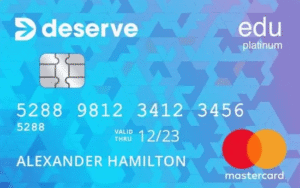
4️⃣ Deserve EDU Mastercard
- Fees: $0 annual fee • No foreign transaction fees
- Eligibility: No SSN required in many cases — excellent for new arrivals
- Why Suitable for Tuition:
- Designed for students without U.S. credit history
- Mastercard brand ensures wide acceptance
- Pros: Easier approval for students new to U.S. credit
- Cons: Lower rewards, may still need limit request
- Rating: ⭐️ 8.5/10
The “Exchange Rate Trap”: How to Save 3% Instantly
This is the biggest “secret” I share with anyone paying in USD from a foreign account. When the portal asks: “Pay in USD or [Your Home Currency]?”—always choose USD.
If you choose your home currency, the portal sets the rate (and they take a big cut). If you choose USD, your bank sets the rate, which is almost always much closer to the actual market value. Choosing USD is like “firing” the portal as your currency exchanger.
10 Quick Tips from My Personal Files
- Call the Bank First: A $10,000+ charge from a U.S. school on an international card screams “FRAUD” to bank algorithms. Call them 48 hours before you pay.
- Check the MCC Code: Ensure the payment is coded as “Education” (MCC 8220). If it’s “Quasi-Cash,” you’ll get hit with massive interest immediately.
- Sign-Up Bonuses: Only use a card if the bonus value is higher than the fee. If the fee is $400 but the bonus is $1,000, you win.
- Don’t Pay on Weekends: Forex markets are closed. Portals often add a “risk buffer” of 1% on Saturdays and Sundays. Pay on a Tuesday.
- The “Authorized User” Hack: If you don’t have U.S. credit yet, have a relative with a U.S. card add you as an authorized user. You might be able to use their card to get the lower 2.95% domestic fee.
- Avoid VPNs: Using a VPN while making a large payment is a fast track to getting your account locked for a security review.
- Ask for a Match: Flywire sometimes matches bank quotes. It never hurts to ask.
- The Late Fee Buffer: If a bank wire is taking too long and you’re facing a $200 school late fee, just pay the card fee. It’s cheaper than the penalty.
- Get the MT103: If you do a wire transfer, this receipt is the “gold standard” proof of payment.
- Use e-Check (ACH): If you can move money to a U.S. account first (using Wise or Revolut), paying via e-Check is usually free.
Frequently Asked Questions: Paying Tuition with Credit Cards in 2026
1. Is it worth paying my university tuition with a credit card to earn miles or points? Generally, no. In 2026, most U.S. universities charge a domestic processing fee of around 2.95% to 3.00%, while international cards can face fees as high as 4.25%. Unless your credit card’s sign-up bonus or rewards rate significantly exceeds these fees, you will likely lose more money than the points are worth.
2. Why are the fees higher for international students paying from abroad? Third-party portals like Flywire or Convera often add a 2.5% to 4% margin on exchange rates. Even if they claim “no fee,” they are typically hiding the cost within a padded currency conversion rate, making international payments more expensive than domestic ones.
3. Will paying a large tuition bill help or hurt my credit score? It could hurt it quickly. Under the 2026 CFPB mandate, banks now update credit bureaus weekly. If you max out your credit limit to pay tuition, your “credit utilization” will spike, which can cause your credit score to drop within just seven days.
4. Can I deduct credit card convenience fees on my U.S. taxes? No. According to IRS Publication 970, you can only claim “qualified” educational expenses for tax credits. Processing fees and convenience surcharges are not considered qualified expenses and cannot be written off.
5. When a payment portal asks to charge me in my “Home Currency” or “USD,” which should I pick? Always choose USD. If you choose your home currency, the portal sets the exchange rate (usually to their advantage). If you choose USD, your bank handles the conversion, which is almost always closer to the actual market rate, saving you roughly 3% instantly.
6. What are the best student credit cards to use if I decide to pay via card? For 2026, top-rated options with $0 annual fees and no foreign transaction fees include:
- Capital One Savor Student: Best for dining and groceries.
- Discover it® Student: Great for the first-year cashback match.
- Deserve EDU Mastercard: Ideal for students without an SSN.
7. My tuition bill is $20,000, but my credit limit is only $1,000. What can I do? You can call your card issuer to request a one-time limit increase or ask your university if they allow split payments. This allows you to pay smaller chunks of the bill over several days, though processing fees will still apply to each transaction.
8. Why is it recommended to avoid making tuition payments on weekends? Forex markets are closed on Saturdays and Sundays. To protect themselves against currency fluctuations, many payment portals add a 1% “risk buffer” to exchange rates on weekends. It is cheaper to process your payment on a Tuesday or Wednesday.
9. How can I protect myself from tuition payment scams? Never accept offers from third parties promising “10% tuition discounts” in exchange for cash or crypto. These scammers often use stolen credit cards. When the school discovers the fraud, the payment is reversed, and you could face deportation or academic dismissal.
10. What is the cheapest way to pay tuition in 2026? The most cost-effective method is to move your funds into a U.S. checking account (using services like Wise or Revolut) and then pay the university via e-Check (ACH). Most schools offer e-Check payments for free, allowing you to avoid credit card surcharges entirely.
Final Verdict
To be honest, using a credit card for tuition in 2026 should be your last resort. While the points are tempting, the combination of university fees and currency markups can cost you over $2,000 a year in pure waste.
In my experience, the smartest move is to transfer your money to a U.S. checking account first and then pay via e-Check. Save your credit card for daily expenses where you actually earn more than you spend in fees.
Stay smart with your money—your future self will thank you.
-END-
About the Author
Alen Vi : Alen Vi is a seasoned financial expert with over 10 years of experience specializing in the credit card industry. Throughout his career, he has worked with various leading media firms, providing in-depth analysis, insights, and guidance on personal finance, credit card rewards, and smart spending strategies. At Credit Card Views, Alen combines his extensive knowledge and practical expertise to help readers make informed decisions, maximize their cash back and rewards, and navigate the complex world of credit cards with confidence.
Disclaimer : The information provided on Credit Card Views is for general informational and educational purposes only and is not intended as financial, legal, or professional advice. While we strive to provide accurate and up-to-date information about credit cards, rewards programs, fees, and offers, terms and conditions can change frequently, and we cannot guarantee the accuracy, completeness, or timeliness of all content. credit card offers and eligibility criteria vary by issuer, credit score, and individual circumstances. Before applying for any credit card or making financial decisions, readers should conduct their own research and consider consulting with a qualified financial advisor.
Trust & Affiliate Disclosure : CreditCardViews.com provides independent and expert guidance to help you make informed credit card and financial decisions. Some links on this site are affiliate links. If you make a purchase through them, we may receive a small commission at no extra cost to you. Our recommendations are always based on research, user feedback, and expert analysis, and are not influenced by our partners. CreditCardViews.com does not issue credit cards or provide financial products directly. Final approval decisions are made solely by the issuing banks. Your trust and financial well-being are our top priority. Our platform uses SSL encryption and follows FTC, GDPR, and CCPA standards to provide secure, unbiased, and transparent credit card insights.