
Written by : Daniel R. Matthews
Edited by : Credit card views Desk
Hotel Points Explained: Fast Ways for U.S. Travelers to Earn and Redeem in 2026
Hotel loyalty programs have become a cornerstone of travel rewards strategies, especially for frequent travelers, business professionals, and anyone who loves maximizing value from their trips. In the United States, earning hotel points efficiently through credit cards can dramatically enhance your travel experiences while reducing out-of-pocket expenses. Whether you’re booking a weekend getaway or a luxury resort stay, the right credit card strategy can save thousands of dollars annually.
This guide provides a comprehensive overview of the best U.S. credit cards for earning hotel points in 2026, practical tips for maximizing rewards, and detailed comparisons of the top 10 cards, including offers, pros, cons, eligibility, and user ratings.
Why Hotel Points Matter in 2026
According to the 2025 J.D. Power Travel Loyalty Study, nearly 62% of U.S. travelers choose hotels based on loyalty programs and point-earning opportunities. Hotel points can provide tangible benefits beyond simple discounts, including:
- Save money on accommodations: Redeem points instead of paying cash, especially at high-demand destinations.
- Upgrade opportunities: Access premium rooms or suites for the same number of points.
- Exclusive perks: Enjoy benefits like free breakfasts, late checkouts, lounge access, and priority service.
In 2026, hotels are offering more dynamic loyalty perks, so understanding which cards earn the most points efficiently is essential.
How U.S. Credit Cards Earn Hotel Points
Credit cards typically earn hotel points in three main ways:
1. Co-branded Hotel Credit Cards
These cards are affiliated with a specific hotel chain (e.g., Hilton, Marriott, Hyatt). They often provide high points per dollar spent at their properties and may include automatic elite status or free night awards.
2. Flexible Points Credit Cards
Cards like the Chase Sapphire or American Express Membership Rewards earn points that can be transferred to multiple hotel loyalty programs. This flexibility allows users to optimize redemption value and take advantage of transfer bonuses.
3. Cashback Cards with Travel Bonuses
Some cards offer moderate hotel rewards via cashback points, which can be redeemed for travel expenses, including hotel stays. These are best for casual travelers who want simplicity.
Top 10 U.S. Credit Cards for Earning Hotel Points Fast (2026)
Disclaimer: Credit card offers, fees, and rewards may change. Terms apply—check with the issuer before applying
| Rank | Card Name | Best For | Annual Fee | Rating |
|---|---|---|---|---|
| 1 | Chase Sapphire Preferred® | Beginners | $95 | ⭐9.2 |
| 2 | Chase Sapphire Reserve® | Frequent Travelers | $795 | ⭐9.0 |
| 3 | Marriott Bonvoy Boundless® | Marriott Loyalists | $95 | ⭐9.1 |
| 4 | Hilton Honors Amex Surpass® | Hilton Guests | $150 | ⭐9.3 |
| 5 | World of Hyatt Credit Card | Hyatt Lovers | $95 | ⭐9.4 |
| 6 | Amex Platinum Card® | Premium Travelers | $895 | ⭐9.5 |
| 7 | Capital One Venture X | Simplicity | $395 | ⭐9.1 |
| 8 | Citi Premier® Card | Multi-category | $95 | ⭐8.9 |
| 9 | Hilton Honors Amex Aspire® | Luxury Hilton | $550 | ⭐9.6 |
| 10 | Marriott Bonvoy Brilliant® | High-End Marriott | $650 | ⭐9.5 |

1. Chase Sapphire Preferred®
Best For: Beginners | Annual Fee: $95
Earning Structure: 3x points on travel, 2x points on dining
Key Perks: Transfer points to 13 hotel & airline partners
Pros: Flexible points, 25% more value on travel via portal
Cons: No airport lounge access
Eligibility: Good to excellent credit |
Disclaimer: Credit card offers, fees, and rewards may change. Terms apply—check with the issuer before applying

2. Chase Sapphire Reserve®
Best For: Frequent Travelers | Annual Fee: $795
Earning Structure: 3x points on travel & dining
Key Perks: 50% portal bonus, Priority Pass lounge access
Pros: Premium travel perks, high transfer value
Cons: High annual fee
Eligibility: Excellent credit |
Disclaimer: Credit card offers, fees, and rewards may change. Terms apply—check with the issuer before applying

3. Marriott Bonvoy Boundless®
Best For: Marriott Loyalists | Annual Fee: $95
Earning Structure: 6x points on Marriott spend
Key Perks: Free Night Award, Silver Elite status
Pros: Strong Marriott benefits, free night annually
Cons: Points expire if inactive
Eligibility: Good to excellent credit |
Disclaimer: Credit card offers, fees, and rewards may change. Terms apply—check with the issuer before applying

4. Hilton Honors American Express Surpass®
Best For: Hilton Guests | Annual Fee: $150
Earning Structure: 12x points on Hilton spend
Key Perks: Gold Status, Free Weekend Night
Pros: Excellent Hilton earning, lounge perks
Cons: Limited flexible redemption
Eligibility: Good to excellent credit |
Disclaimer: Credit card offers, fees, and rewards may change. Terms apply—check with the issuer before applying

5. World of Hyatt Credit Card
Best For: Hyatt Lovers | Annual Fee: $95
Earning Structure: 4x points at Hyatt, 2x points on dining
Key Perks: Discoverist Status, Free Night Award
Pros: Free nights annually, strong elite perks
Cons: Hyatt-only benefits
Eligibility: Good to excellent credit |
Disclaimer: Credit card offers, fees, and rewards may change. Terms apply—check with the issuer before applying
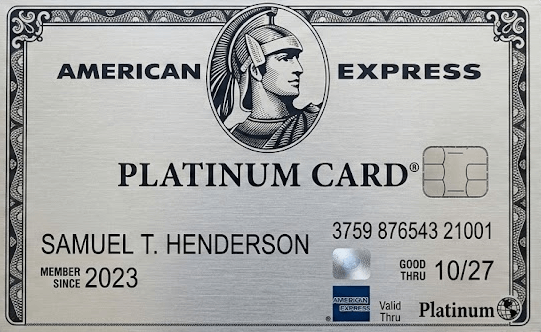
6. American Express Platinum Card®
Best For: Premium Travelers | Annual Fee: $895
Earning Structure: 5x points on flights, 1x points on hotels
Key Perks: 200k transfer points, automatic hotel elite status
Pros: Luxury benefits, lounge access, status
Cons: Very high annual fee
Eligibility: Excellent credit |
Disclaimer: Credit card offers, fees, and rewards may change. Terms apply—check with the issuer before applying

7. Capital One Venture X Rewards
Best For: Simplicity & Flexibility | Annual Fee: $395
Earning Structure: 2x points on all purchases
Key Perks: 10k annual bonus miles, Priority Pass lounge access
Pros: Flexible travel redemption
Cons: Lower hotel earning vs co-branded cards
Eligibility: Excellent credit |
Disclaimer: Credit card offers, fees, and rewards may change. Terms apply—check with the issuer before applying

8. Citi Premier® Card
Best For: Multi-category earners | Annual Fee: $95
Earning Structure: 3x points on travel, dining, groceries
Key Perks: Transfer points to hotel programs
Pros: Flexible points, solid multi-category earning
Cons: No luxury hotel perks
Eligibility: Good to excellent credit |
Disclaimer: Credit card offers, fees, and rewards may change. Terms apply—check with the issuer before applying

9. Hilton Honors American Express Aspire®
Best For: Luxury Hilton Stays | Annual Fee: $550
Earning Structure: 14x points on Hilton spend
Key Perks: Diamond Status, Free Weekend Night
Pros: Top-tier Hilton benefits
Cons: Very high annual fee
Eligibility: Excellent credit |
Disclaimer: Credit card offers, fees, and rewards may change. Terms apply—check with the issuer before applying

10. Marriott Bonvoy Brilliant® American Express®
Best For: High-End Marriott Travelers | Annual Fee: $650
Earning Structure: 6x points on Marriott spend
Key Perks: Elite Status, Free Night Award
Pros: Luxury Marriott perks, free night annually
Cons: Expensive annual fee
Eligibility: Excellent credit |
Disclaimer: Credit card offers, fees, and rewards may change. Terms apply—check with the issuer before applying
How to Maximize Hotel Points with U.S. Credit Cards
For beginners and experienced travelers alike, a few strategies can drastically accelerate point accumulation:
1. Focus on Co-Branded Spending
Using cards where the highest earning rate applies maximizes rewards. For example:
- Hilton Surpass®: 12x points per $1 at Hilton hotels
- Marriott Bonvoy Boundless®: 6x points at Marriott
2. Leverage Transfer Partners
Flexible points cards (e.g., Chase Sapphire Reserve®, Amex Platinum®) allow transfers to multiple hotel programs. Some programs offer 10–30% transfer bonuses, making your points significantly more valuable.
3. Pay Attention to Promotions
Hotels frequently offer seasonal or targeted promotions, such as double points for weekend stays or bonus points for booking through mobile apps. Signing up for loyalty newsletters ensures you never miss these opportunities.
4. Combine Cards Strategically
Pair a flexible points card with a co-branded hotel card:
- Use the co-branded card for hotel spending
- Use the flexible points card for general travel, dining, and everyday expenses
5. Take Advantage of Elite Status
Hotel elite status often comes automatically with premium co-branded cards. Elite benefits may include:
- Bonus points per stay (10–50%)
- Room upgrades or suite access
- Late checkout and early check-in
- Complimentary breakfasts and lounge access
6. Optimize Redemption Timing
Points are often most valuable during high-demand periods, such as holidays or major events. Using points strategically rather than accumulating them indefinitely ensures maximum value.
7. Track Expiration Policies
Some hotel programs have points that expire after inactivity (e.g., Marriott, Hilton). Regularly earning or redeeming points ensures none are lost.
Common Mistakes to Avoid
✈️ Ignoring Transfer Bonuses
Missing a 25% transfer bonus can reduce potential rewards.
💰 Hoarding Points in One Program
Diversifying points across flexible programs ensures maximum redemption options.
⚖️ Neglecting Annual Fees vs. Benefits
A high-fee card can be cost-effective if the perks outweigh the fee.
⏰ Overlooking Redemption Timing
Using points during low-demand periods may reduce their value.
📝 Forgetting Enrollment Requirements
Some promotions require enrollment to qualify for bonus points.
Tips for Beginners to Earn Points Fast
- Sign-Up Bonuses: Many hotel and flexible points cards offer 100k+ points for meeting initial spend requirements.
- Category Bonuses: Identify cards that offer extra points in categories you already spend heavily, like travel, dining, and groceries.
- Stack Loyalty Offers: Combine credit card points with hotel promotions, mobile app discounts, and loyalty campaigns.
- Use Portals and Apps: Booking through hotel portals or flexible points portals like Chase Travel can earn extra points or cashback.
- Monitor Point Valuation: Understand how much each point is worth (typically 0.5–2 cents per point) to maximize redemption efficiency.
Research Insights and U.S. Traveler Feedback
Bankrate 2025 Survey: 58% of U.S. travelers prioritize credit cards that maximize hotel rewards.
- 42% manage multiple cards strategically, using one flexible card plus one or two co-branded cards.
- Ease of redemption, blackout dates, and limited award availability remain top concerns.
Traveler feedback emphasizes that combining co-branded and flexible cards provides the best balance between points accumulation and redemption flexibility.
Key Takeaways
- Use co-branded hotel credit cards for the highest points on specific hotel chains.
- Leverage flexible points cards to transfer points to multiple hotel loyalty programs for maximum value.
- Pay attention to transfer bonuses and promotions to multiply your points efficiently.
- Combine co-branded and flexible cards strategically to accelerate point accumulation.
- Monitor point expiration and redemption timing to ensure you maximize their value.
- Elite status perks can boost points earned, room upgrades, and complimentary benefits.
- High annual fee cards are worth it if the benefits exceed the cost through free nights, lounges, and elite perks.
Experts and Influencers Reveal Their Hotel Points Secrets
1️⃣ Brian Kelly – Founder of The Points Guy
Brian Kelly
Platform: Instagram (@briankelly)
Idea to Earn More Points: Stack Everything
“Never earn just one layer of points. Stack hotel promos + credit card bonuses + shopping portals + elite bonuses.”
Strategy He Often Recommends:
*Use a flexible card like Chase Sapphire Preferred for transfer flexibility
*Transfer during 20–30% bonuses
*Book during double-point promotions
*Add Rakuten or airline portals for extra points
📌 Takeaway: Advanced travelers earn 2–3x more by stacking promotions.
2️⃣ Tiffany Funk – Founder of One Mile at a Time
Tiffany Funk
Platform: Instagram (@one_mile_at_a_time)
Idea to Earn More Points: Focus on One Chain for Status
“Elite status multiplies your earning rate. Pick one program and go deep.”
Her Method:
*Use a co-branded card like World of Hyatt Credit Card
*Stay consistently with Hyatt
*Let elite bonuses (10–30%) compound over time
📌 Takeaway: Concentrated loyalty earns more long-term value than spreading stays randomly.
3️⃣ Mark Reese – YouTube Creator (Travel On Points)
Mark Reese
Platform: YouTube

Idea to Earn More Points: Pair Cards Strategically
“Use one card for daily spend and one strictly for hotel stays.”
Example Combo He Suggests:
*Capital One Venture X for 2x on everything
*Hilton Honors American Express Surpass for 12x at Hilton
📌 Takeaway: Two-card strategy = optimized earning across all categories.
4️⃣ AskSebby – Credit Card Strategist
Sebastian Quinn
Platform: YouTube (@AskSebby)
Idea to Earn More Points: Track ROI on Annual Fees
“If your free night covers the annual fee, the card pays for itself.”
His Advice:
*Use high-fee cards like Hilton Honors American Express Aspire only if perks exceed fee
*Track point value (cents per point)
*Redeem at luxury properties for maximum value
📌 Takeaway: Points strategy must be math-driven, not emotional.
5️⃣ Clint Henderson – Travel Editor at The Points Guy
Clint Henderson
Platform: Twitter/X (@ClintPHenderson)
Idea to Earn More Points: Maximize Elite Perks
“Free breakfast, lounge access, late checkout — these benefits multiply your real-world savings.”
His Tip:
*Use cards like Marriott Bonvoy Brilliant American Express
*Earn bonus points from elite tiers
*Treat perks as part of the value calculation
📌 Takeaway: Hotel points aren’t just free nights — perks increase total travel ROI.
Frequently Asked Questions
- What is the best type of credit card for earning hotel points?
The best type depends on your travel habits. Co-branded hotel cards are ideal if you stay mostly at one hotel chain, offering high points per dollar spent, automatic elite status, and free night awards. Flexible points cards (e.g., Chase Sapphire Reserve®, Amex Membership Rewards) are better for travelers who want versatility, as points can transfer to multiple hotel loyalty programs. Cashback cards with travel bonuses are suitable for casual travelers who prefer simplicity over maximizing points.
- How can I earn hotel points without staying at hotels?
Many U.S. credit cards offer bonus points for everyday purchases. For example:
- Chase Sapphire Preferred®: Earns 3x points on travel, including airfare and transportation.
- World of Hyatt Credit Card: 2x points on dining and airline tickets.
Additionally, some hotel programs allow you to earn points through partner purchases, such as car rentals, restaurants, or online shopping portals.
- What are transfer partners, and why are they important?
Transfer partners allow you to move points from flexible rewards cards to hotel programs. For example, Chase Ultimate Rewards® points can transfer to Hyatt, Marriott, or IHG. This increases flexibility and can maximize redemption value, especially if a hotel property is running a promotion or has high demand. Transfer bonuses of 10–30% often make this strategy extremely profitable.
- Should I focus on one hotel chain or multiple chains?
If you travel frequently to certain destinations, focusing on a single chain allows you to accumulate points faster and achieve elite status, unlocking room upgrades, free breakfasts, and bonus points. However, for flexibility and higher redemption options, holding a flexible points card in addition to a co-branded card allows you to redeem across multiple hotels, which is ideal for travelers who explore different cities.
- How do hotel elite statuses affect points earning?
Elite status enhances both the earning rate and the quality of your stay. Most co-branded hotel cards grant automatic Silver, Gold, or Diamond status depending on the card. Elite benefits typically include:
- Bonus points per stay (10–50%)
- Complimentary room upgrades or suites
- Late checkout and early check-in
- Free breakfast and lounge access
Elite status can multiply the value of points earned significantly.
- What is the value of hotel points in 2026?
Point value varies by program and property. On average:
- Marriott Bonvoy: 0.7–1 cent per point
- Hilton Honors: 0.4–0.6 cents per point
- World of Hyatt: 1.5–2 cents per point
Understanding the value helps you decide whether to redeem points or pay cash, ensuring maximum savings or luxury upgrades.
- Can I combine points from multiple cards?
Yes, using flexible points programs like Chase Ultimate Rewards® or American Express Membership Rewards allows you to consolidate points from multiple cards and transfer them to hotel programs. However, co-branded hotel points usually cannot be combined with points from other cards unless they are in the same loyalty program. Strategic combinations maximize redemption opportunities.
- How do I maximize points during promotions?
Hotels often run targeted or seasonal promotions, like double points for weekend stays, mobile bookings, or extended stays. To maximize points:
- Enroll in the hotel loyalty program promotions.
- Book stays using a co-branded card to capture bonus points.
- Stack promotions with flexible points transfer bonuses when possible.
- What are the best beginner-friendly hotel cards?
For beginners, low annual fee cards with simple earning structures are ideal:
- Chase Sapphire Preferred®: Flexible points, moderate annual fee, easy redemption.
- Marriott Bonvoy Boundless®: High earning on Marriott stays, free night awards.
- Hilton Surpass®: Great for frequent Hilton stays, easy Gold status.
These cards allow travelers to start earning points quickly without complicated strategies.
- How do I avoid wasting points?
Common mistakes that reduce value include:
- Redeeming points at low-value hotels instead of high-demand properties.
- Ignoring transfer bonuses when using flexible points cards.
- Letting points expire due to inactivity.
- Not tracking blackout dates or limited award availability.
Using points strategically during peak travel seasons and for high-value stays ensures maximum benefits.
- Can I use hotel points for experiences or other perks?
Many programs allow points to be redeemed for:
- Flights through travel portals
- Car rentals or transportation
- Experiences like concerts, spa treatments, or dining packages
However, hotel stays typically provide the best point value, especially at luxury or high-demand properties.
- Are high annual fee cards worth it for hotel points?
High-fee cards (e.g., Amex Platinum®, Hilton Aspire®) are worth it if:
- You maximize perks like free nights, elite status, and lounge access
- You frequently stay at premium properties
- You take advantage of travel credits or fee offsets
If your travel is limited, a lower-fee co-branded or flexible card may provide better cost-to-benefit efficiency.
- How many hotel cards should I have?
There’s no universal answer, but most travelers find 2–3 cards optimal:
- One flexible points card for general travel spending
- One or two co-branded hotel cards for high-value stays
This combination balances earning potential, flexibility, and annual fees. Managing too many cards can complicate tracking points and promotions.
- How can I use points for last-minute bookings?
Last-minute bookings are possible, but require flexibility:
- Hyatt and Marriott often have standard award availability online.
- Hilton Honors allows flexible redemption even at short notice.
- Using a flexible points card can allow redemption through a travel portal if hotel loyalty availability is limited. Planning ahead ensures the highest value per point.
- What’s the best strategy for combining points and cash?
Some programs allow points + cash bookings, which can be ideal if:
- You are a few points short for a free night
- You want to conserve points for high-value stays
- You want to maximize flexibility without paying full cash
Strategic combinations of points, cash, and promotions often yield the best savings and access to premium rooms.
Conclusion
For U.S. travelers in 2026, strategically using credit cards to earn hotel points is no longer optional—it’s essential for maximizing travel value. By:
- Choosing co-branded cards for hotel spending
- Leveraging flexible points cards for transfer opportunities
- Combining multiple cards strategically
- Enrolling in promotions and loyalty programs
- Maximizing elite status benefits
…you can dramatically accelerate point accumulation and enjoy premium hotel stays at reduced or even zero cost. With proper planning, knowledge of earning structures, and awareness of promotions, travelers can maximize their hotel rewards efficiently, turning everyday spending into unforgettable travel experiences.
***********
About the Author – Daniel R. Matthews
Daniel R. Matthews is a credit card expert and senior contributor at CreditCardViews.com, specializing in U.S. credit cards, beginner-friendly products, and credit-building strategies. He analyzes credit cards based on approval requirements, fees, rewards, and long-term value, helping readers make informed financial decisions. Daniel focuses on clear, unbiased guidance designed to support first-time applicants and responsible credit use.
Disclaimer
The information provided on Credit Card Views is for general informational and educational purposes only and is not intended as financial, legal, or professional advice. While we strive to provide accurate and up-to-date information about credit cards, rewards programs, fees, and offers, terms and conditions can change frequently, and we cannot guarantee the accuracy, completeness, or timeliness of all content.
Credit card offers and eligibility criteria vary by issuer, credit score, and individual circumstances. Before applying for any credit card or making financial decisions, readers should conduct their own research and consider consulting with a qualified financial advisor.
Trust & Affiliate Disclosure
CreditCardViews.com provides independent and expert guidance to help you make informed credit card and financial decisions. Some links on this site are affiliate links. If you make a purchase through them, we may receive a small commission at no extra cost to you. Our recommendations are always based on research, user feedback, and expert analysis, and are not influenced by our partners. CreditCardViews.com does not issue credit cards or provide financial products directly. Final approval decisions are made solely by the issuing banks. Your trust and financial well-being are our top priority. Our platform uses SSL encryption and follows FTC, GDPR, and CCPA standards to provide secure, unbiased, and transparent credit card insights